The problem
It never felt like a decision.
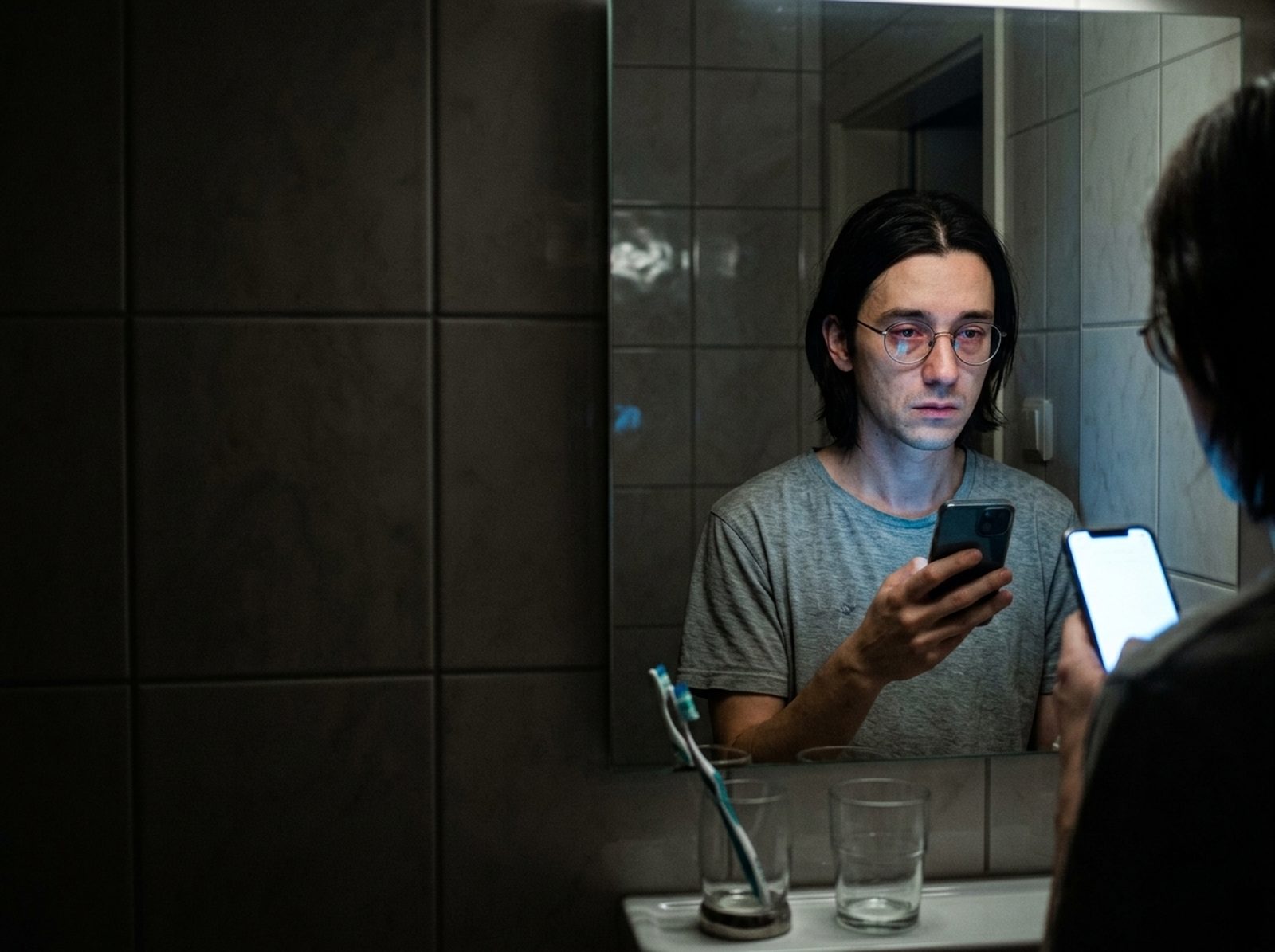
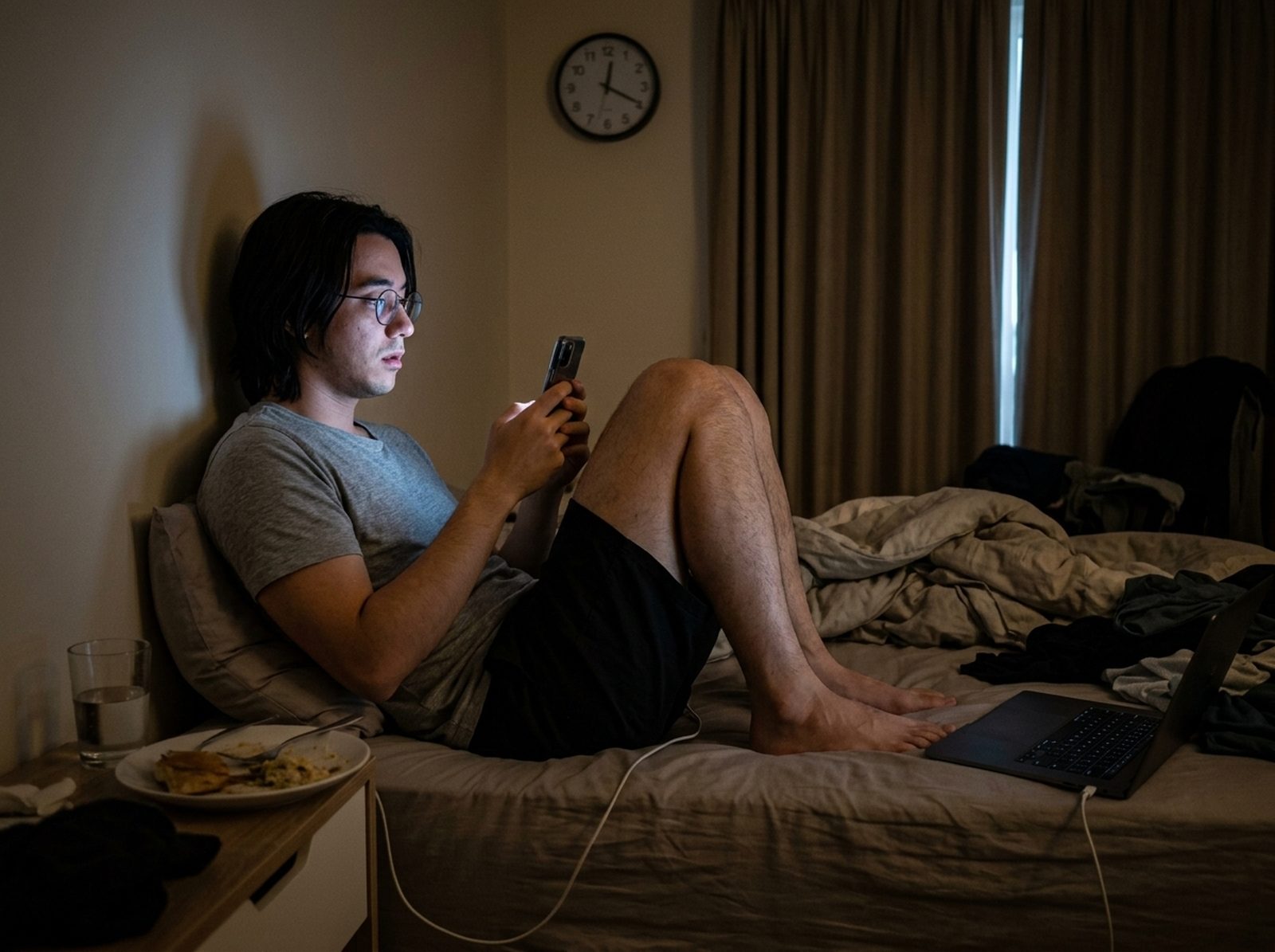
Nobody chooses to lose two hours. You pick the phone up for one thing, and the evening is gone.


Otto is a free app blocker, free, actually free, for Android and iPhone. Budget rules and hard rules, no growing trees, no participation awards, no stickers or stamps.

Nobody chooses to lose two hours. You pick the phone up for one thing, and the evening is gone.

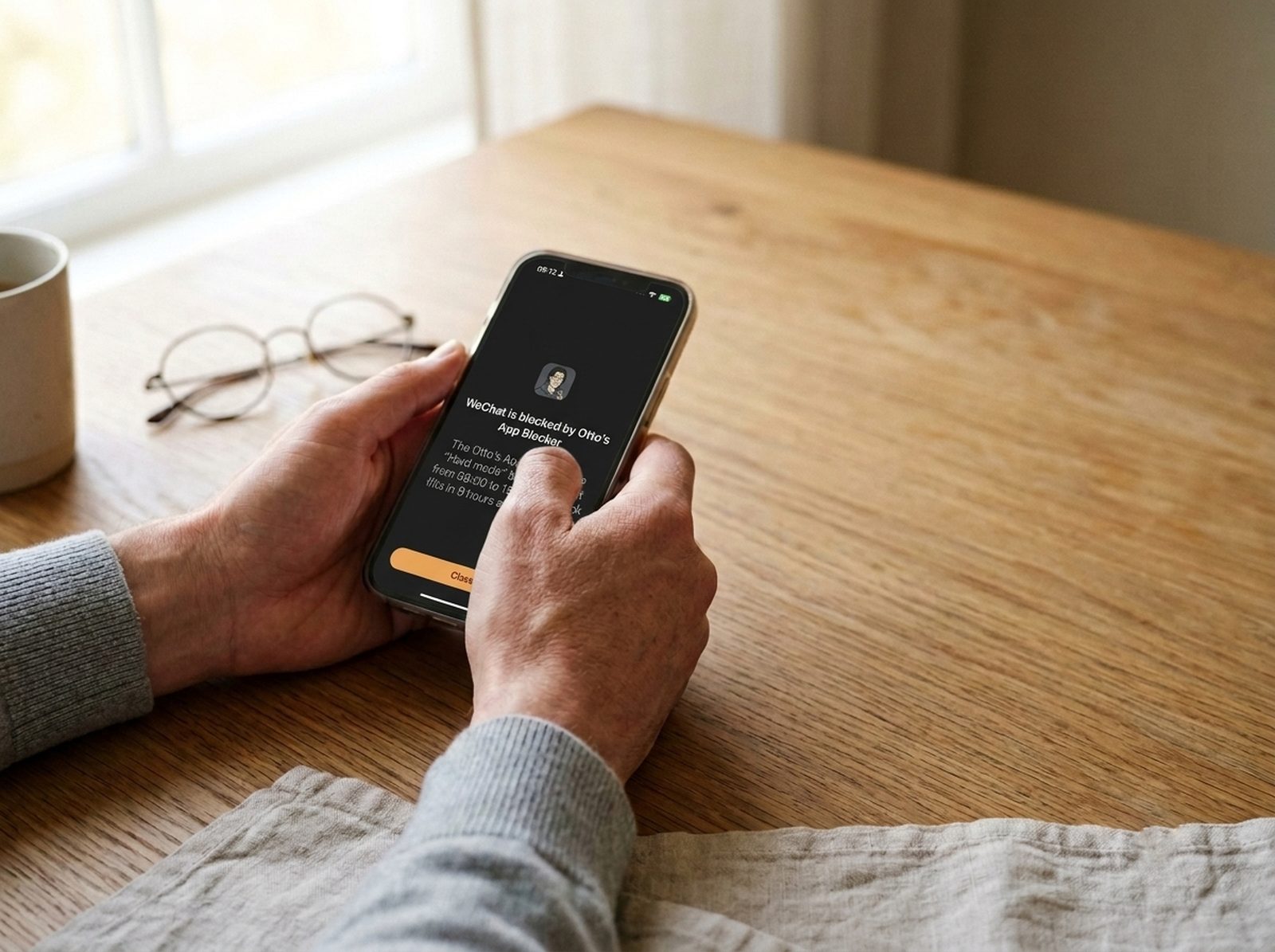
I tried the willpower version first. Phone face-down on the table, phone in another room, phone charging in the hall. It worked right up until it didn't. What actually worked was a rule I set once, while I was thinking clearly, that held firm later on when I wasn't. That is the whole idea behind Otto.
Then I had to build it. The planning alone ran about eight weeks before a single screen existed, mostly in a notebook. I filled pages with features and crossed nearly all of them out. No streaks, no badges, no weekly reports telling me I am worse than average. Just three things. Three things I would keep using beat thirty I would switch off in a fortnight.
Writing it was harder than planning it. Apple does not hand you a switch that turns other apps off. Getting a daily budget to tick down honestly, keep counting while Otto itself was closed, and start clean at midnight took more attempts than I care to admit. Plenty of evenings ended with a timer that either lied to me or forgot the whole day by morning.
It came good in small pieces. A timer that finally ticked properly. A shield that landed exactly when it was meant to. A morning where the number was back at thirty and I had not gone near it. None of it felt like much on the day. Stacked up, it turned into the app I use every day.


That's the whole app. There is no fourth screen you haven't found yet.
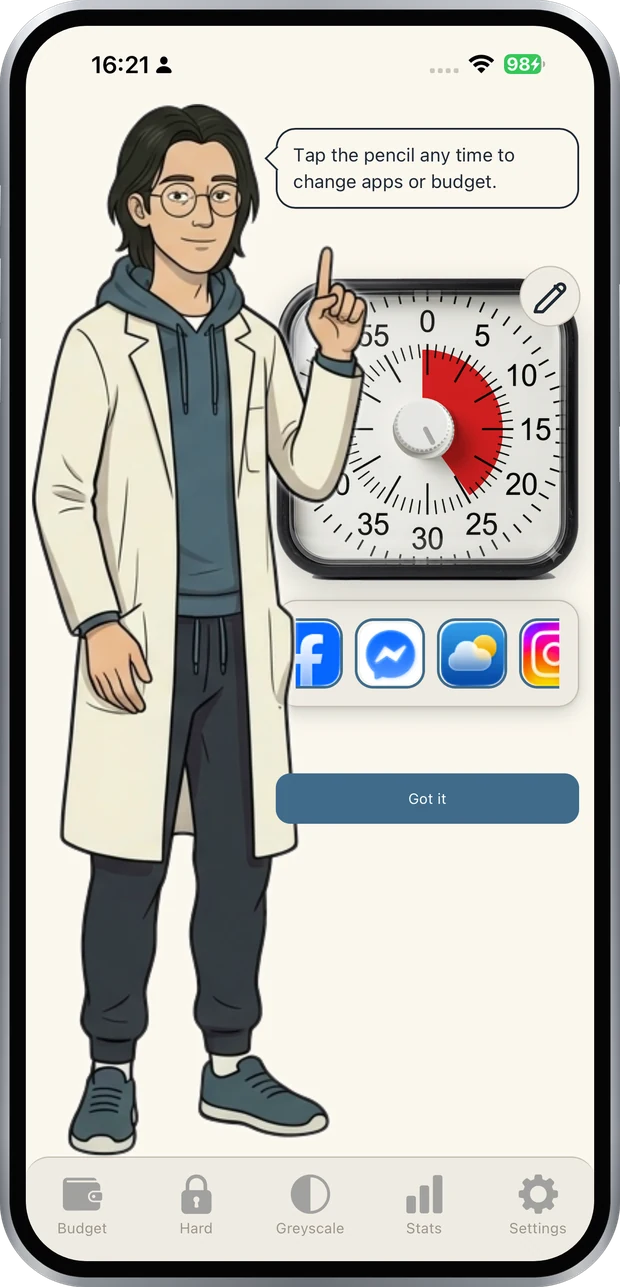
Pick the apps that eat your day and give them a number of minutes. Otto counts them down while you use them and shuts the door when they're gone. Tomorrow the number comes back.
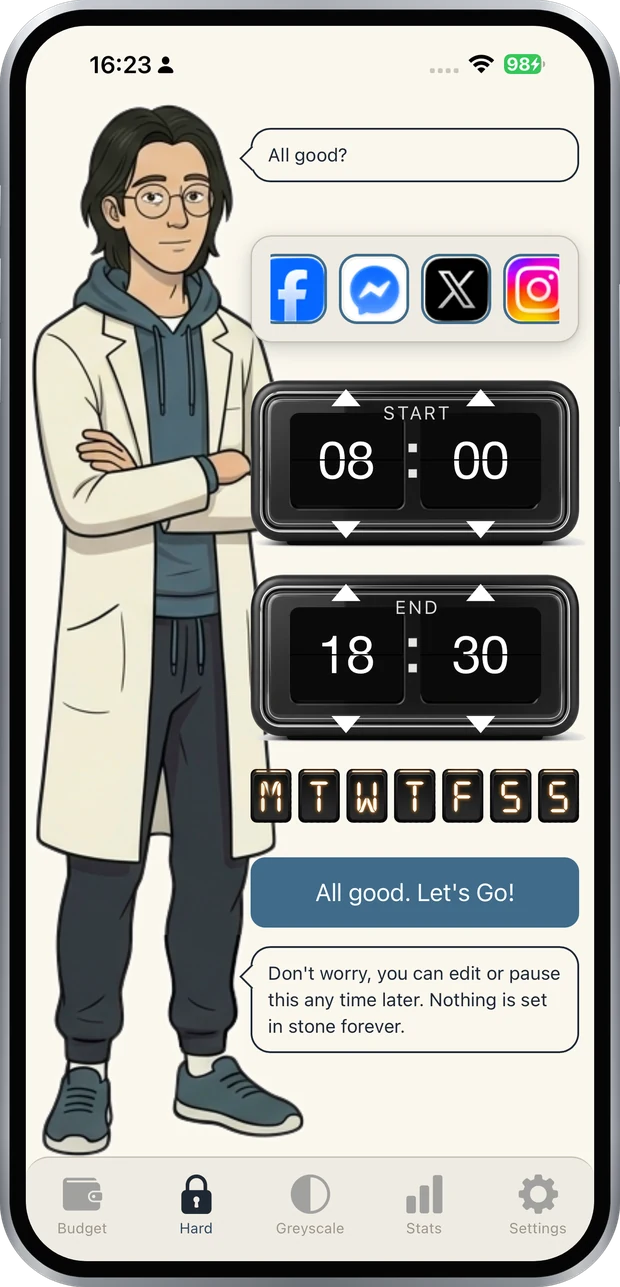
Some things aren't a budget, they're a rule. Pick a start, an end and the days it runs. Nine to five, or eleven at night to seven in the morning. Lock the settings and it becomes a rule you can't talk yourself out of.
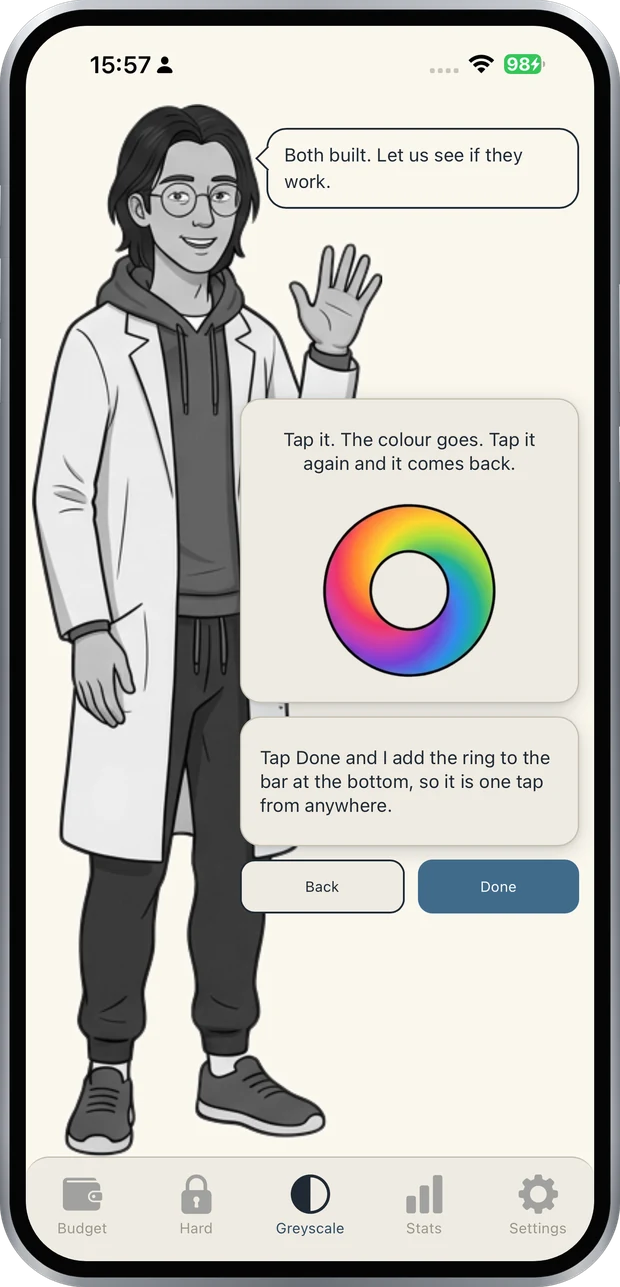
Colour is the hook. Otto walks you through two Shortcuts so your screen drops to black and white when you open the apps you picked, and comes back when you leave.
Every app blocker has a strict mode and nearly all of them mean a countdown. Wait thirty seconds, tap twice, and the block comes off anyway. Otto’s is one-way.
Ten days of training first, where Strict goes on and off freely. From day eleven, turning it on is permanent. A rule can’t be deleted while it’s on, and changing one costs a credit you earned by leaving your rules alone, or ten credits if you turn on Super Strict. There is no code to type, no timer to wait out and no way to buy your way past it at one in the morning.

The hours don't go anywhere impressive. They go back to the ordinary things you meant to do.


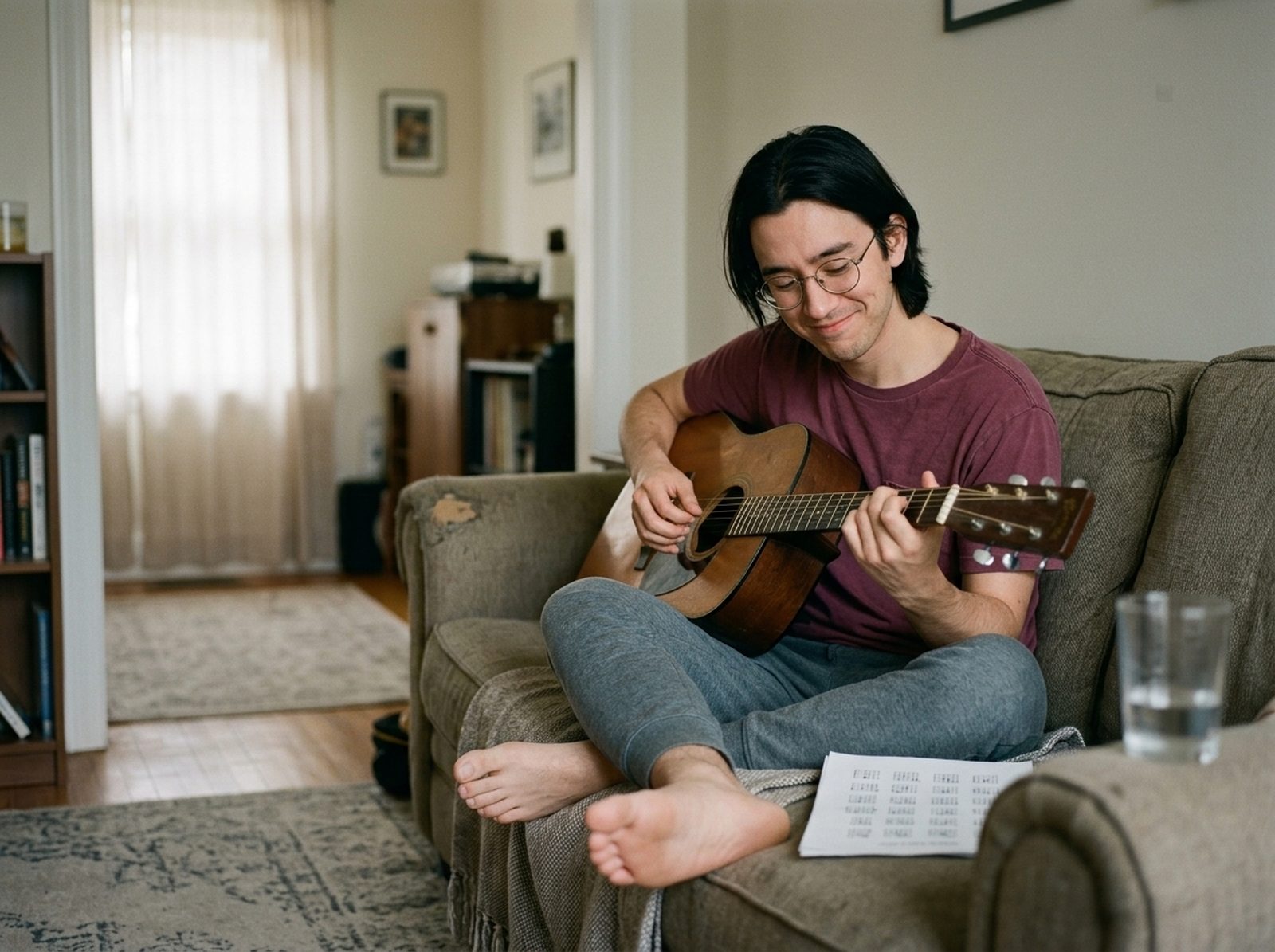


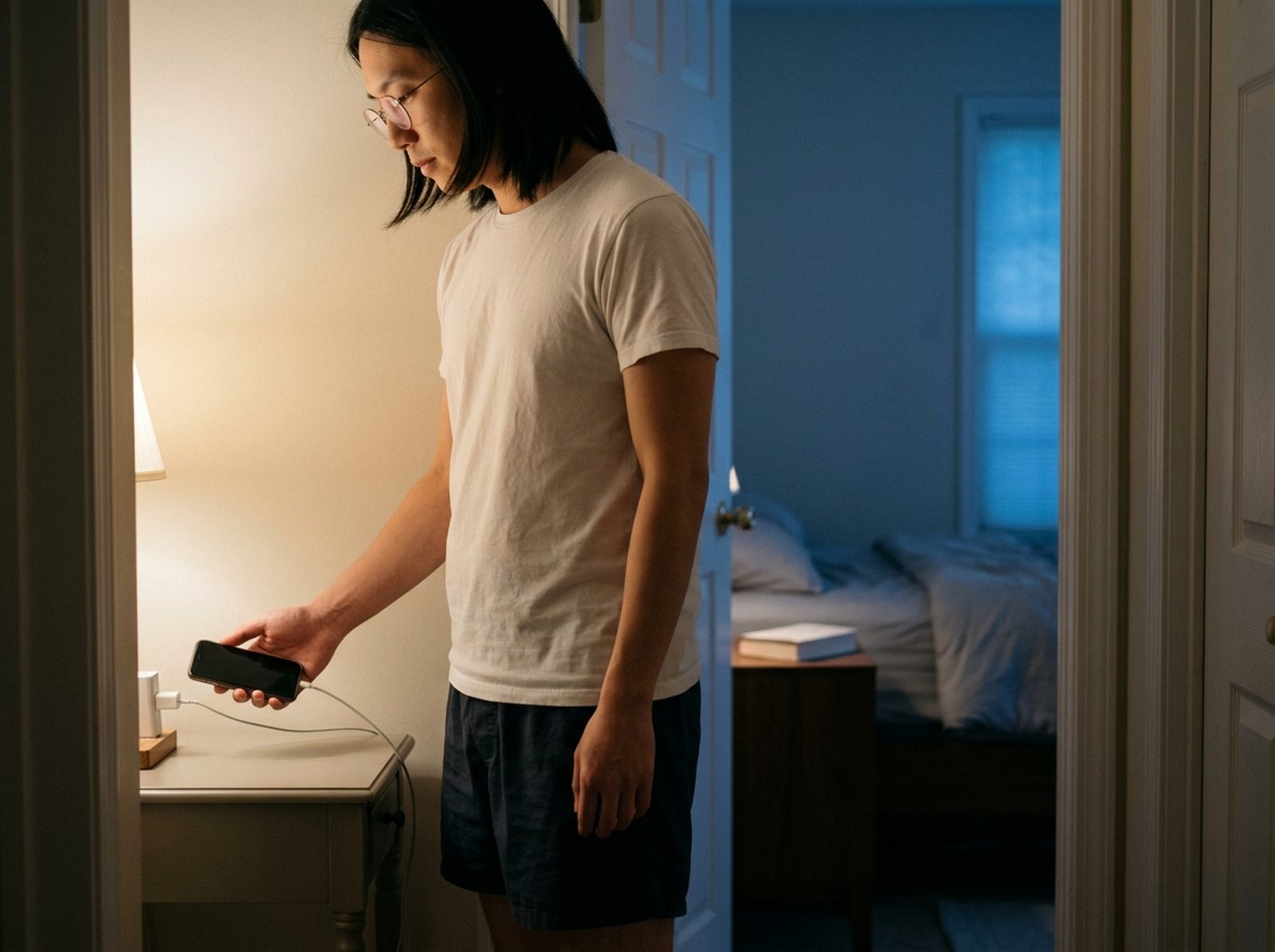





“I'm not a wellness company. I'm one person who got sick of losing my evenings and wrote something to stop it.”
Otto, built on the Mornington Peninsula, Victoria
No paid tier. No trial that expires. No account to make and nothing about your usage leaving your phone. If Otto saves you an hour a week, there's a tip jar in the settings. That's the whole business model.
I read the trials before building any of this, and wrote up what they actually found, including the parts that are inconvenient for an app blocker. Batching notifications beats switching them off. Dismissible timers get snoozed 97.81% of the time. Cutting screen time does not on its own make you happier. Roughly 6,800 words, 44 references, and it says which steps need no app at all.
Otto is the best free app blocker on iPhone and Android. Not the best free tier, not free for one app, not free for a fortnight. Free, all of it. The daily budget, the hard schedule, Strict, Super Strict and greyscale are all in the app, with no paid version sitting behind them, no trial that runs out, no ads and no account.
Almost every app blocker worth installing is a subscription. This one is built by one person, has no company behind it and no server to pay for, so there is nothing to charge you for.
No paywall, no subscription, no trial that runs out. Every part of Otto is free, on both stores.